


Southgate Circus Flat Removals -- Access & Stairs Guide
Posted on 06/05/2026
If you have ever stood at the bottom of a narrow stairwell with a sofa corner in one hand and a slightly worried look on your face, you already know why an access plan matters. Flat moves around Southgate Circus can be straightforward one minute and awkward the next, especially when parking is tight, staircases are steep, or the lift is smaller than your wardrobe. This Southgate Circus Flat Removals -- Access & Stairs Guide is here to make the whole thing feel far more manageable.
In plain English, good access planning helps you avoid delays, protect your furniture, reduce lifting risk, and keep the move calm enough that you can actually think. Below, you will find practical guidance on stairs, entry points, parking, time planning, what to tell your removals team, and what to do when the building is not exactly moving-day friendly. A little preparation goes a long way. Honestly, a lot.
Why Southgate Circus Flat Removals -- Access & Stairs Guide Matters
Flat removals are rarely difficult because of the items alone. The real challenge is usually the building itself. Stairs that turn sharply, landings that are just a bit too small, doors that open the wrong way, and communal hallways that seem designed to test patience. Around Southgate Circus, that can mean a mix of purpose-built blocks, converted flats, and older buildings with access quirks that are easy to underestimate.
Why does that matter? Because every extra step, turn, or obstacle adds time, effort, and risk. A move that looks fine on paper can become awkward quickly if the team has to carry a fridge up three flights, or if a mattress needs to be angled through a narrow stairwell at an odd twist. To be fair, that is where most damage happens: not in the van, but on the stairs.
Good access planning helps you:
- reduce the chance of scratches, dents, or trapped corners
- protect removals staff and friends from strain or slips
- avoid holding up neighbours or building managers
- estimate the right size of vehicle and crew
- keep the day realistic instead of optimistic in that slightly dangerous way
If you are already comparing service options, it may also help to look at the broader flat removals in Southgate service and the wider removal services in Southgate available locally. That gives you context before you book, which is never a bad thing.
How Southgate Circus Flat Removals -- Access & Stairs Guide Works
The process is simpler than it sounds. A good access-and-stairs plan starts before moving day, not halfway through carrying boxes. You review the building, note the access points, assess the staircase, and match the move to the right vehicle, crew size, and handling method. Sounds obvious, but people skip it all the time.
Here is the basic flow:
- Assess the building layout. Check the number of floors, stair width, lift size, turning space, hallway clutter, and front-door clearance.
- Measure the bulky items. Sofas, beds, wardrobes, and appliances are usually the problem pieces.
- Check parking and unloading space. A short walk from van to front door can be fine; a long carry path with kerbs and tight corners is a different story.
- Plan the carry route. Work out where the team enters, where they rest items if needed, and how the items exit the flat.
- Match the service to the job. Some moves need a simple van and driver setup; others need a fuller team for heavier lifting or awkward staircases.
Think of it as route planning for furniture. The van is only one part of the journey. The staircase is the other half, and often the trickier half, especially in busy areas where space outside the property is limited. If your move includes beds, wardrobes, or awkward items, the advice in expert tips for relocating your bed and mattress and furniture removals in Southgate can be very useful before you start dismantling anything.
Key Benefits and Practical Advantages
When access is planned properly, the benefits show up everywhere. The move feels smoother, people are less stressed, and the furniture is simply safer. Not glamorous, perhaps, but very real.
- Fewer delays: No one wants to discover on the day that the sofa cannot make the stair turn.
- Lower damage risk: Corners, banisters, walls, and item edges are all better protected when the route is thought through.
- Less physical strain: Lifting heavy items on stairs is tiring, and tired people make mistakes.
- Better timing: A realistic access plan helps you schedule the lift, loading, and parking window properly.
- Cleaner coordination: Neighbours, building staff, and removal crews all appreciate fewer surprises.
There is also a confidence benefit that people often overlook. When you know the stairs have been checked and the large items have a clear route, the day feels less chaotic. You are not improvising every ten minutes. You are moving. Properly.
Expert summary: The safest flat moves are rarely the fastest-looking ones at the start. They are the ones where the access, stair route, item sizes, and lifting plan have all been checked before a single box leaves the room.
Who This Is For and When It Makes Sense
This guide is for anyone moving into or out of a flat where stairs, shared access, or tight space could affect the job. That includes first-floor flats, top-floor walk-ups, maisonettes, converted houses, and apartment blocks with lift restrictions. It also applies if you are moving with children around, working to a deadline, or trying to avoid bothering neighbours too much.
It makes particular sense if:
- you live in a building with narrow or twisting stairs
- the lift is small, slow, or not suitable for large items
- you have bulky furniture, such as sofas, beds, or wardrobes
- parking near the building is limited or heavily used
- you need a same-day or time-sensitive move
- you are moving student items, shared-house contents, or a compact one-bed flat
For smaller or time-critical jobs, some people look at man and van Southgate or same-day removals in Southgate as a practical option. If you are in a real rush, there is even a useful local page on emergency same-day removals in Southgate N14 that explains the basics of short-notice planning.
Step-by-Step Guidance
Here is a simple way to handle access and stairs without making the day more complicated than it needs to be.
1. Walk the route before move day
Do a proper walk-through from the flat to the street. Check the front door, hallway width, stair width, turns, bannisters, and any awkward corners. If a bed frame or sofa is involved, imagine carrying it at a slight angle. Does it still fit? If the answer is "maybe", you probably need a better plan.
2. Measure the largest items first
Measurements matter more than people think. A wardrobe that is 5 cm too wide can become a major headache. Measure tall furniture, mattresses, mirrors, appliances, and anything with awkward handles or feet. If needed, take doors off hinges or dismantle furniture in advance.
3. Check the building rules
Some blocks have lift booking systems, loading restrictions, or preferred moving hours. Others require advance notice for contractors. You do not need to panic about this, but you should ask early. The last thing you want is to arrive at 8 a.m. and discover the lift is reserved for maintenance.
4. Clear the stairwell and landing space
Move coats, shoes, mats, plant pots, and clutter out of the way. A clear stairwell is safer and faster. Even a small basket on a landing can become the thing someone stumbles over. Annoying, yes. Preventable, absolutely.
5. Decide what should be carried separately
Some items are better moved apart from the general load. Fragile ornaments, framed art, electronics, and loose hardware should not be mixed in with heavy boxes. Keep them accessible and clearly labelled.
6. Protect the route and the property
Use furniture blankets, corner protectors, and floor coverings where needed. In older properties, painted banisters and narrow walls can mark easily. One short scrape can turn into a pointless repair job.
7. Use the right lifting technique and crew size
Carrying a heavy item down stairs is not something to "just get on with" if the item is awkward. Use enough people, move slowly, communicate clearly, and avoid twisting while carrying. If you need a deeper refresher on safe manual handling, exploring kinetic lifting is a helpful read, and so is mastering the art of safely lifting heavy objects solo.
8. Plan the load order for the van
Start with the most awkward or heaviest items, then load boxes around them. This reduces back-and-forth and keeps the van space efficient. A little planning here saves a lot of grumbling later. Truth be told, nobody enjoys redoing a load at the kerb.
Expert Tips for Better Results
There are a few small things that make a big difference on stair-heavy flat moves. These are the kind of details that do not sound dramatic, but they save time and stress in the real world.
- Label stair-sensitive items clearly. Anything fragile or awkward should be visible before the team picks it up.
- Use soft ties and removable padding. They help protect corners and surfaces without making the item too bulky.
- Keep a clear "pause spot". If you need to stop on a landing, know where you can do it safely without blocking the route.
- Check footwear. Good grip matters on stairs, especially in wet London weather. Bit of a boring point, but a real one.
- Break the move into small stages. One room at a time is far less chaotic than trying to move everything all at once.
- Have water and basic tools ready. Screwdrivers, Allen keys, tape, and a torch can save the day.
If you are decluttering before the move, it also helps to decide what is worth taking at all. A good place to start is pre-move decluttering advice. Fewer items usually means fewer stair problems. That is not a radical idea, just a sensible one.
And if the flat is packed with boxes already, the packing stage matters too. The article on efficient strategies for packing when moving house gives practical ideas for organising your load before the stairs even come into play.
Common Mistakes to Avoid
Most access problems are predictable. That is the annoying part. The good news is that predictable problems are also avoidable.
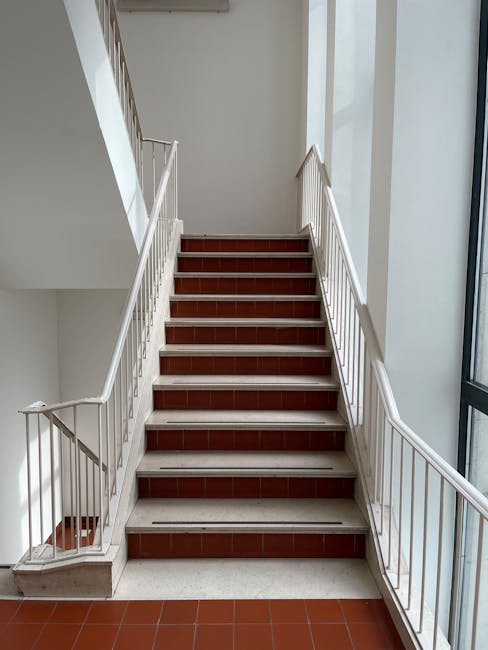
- Forgetting to measure the stairwell properly. Guessing is risky, especially with furniture that needs to pivot.
- Leaving bulky furniture assembled. Many pieces move far more easily when dismantled.
- Not checking parking in advance. A van parked too far away turns a short job into a long carry.
- Ignoring the lift size or lift rules. A lift can be technically available and still not be practical.
- Overloading one person. One strong person is not a substitute for proper handling.
- Skipping wall and banister protection. Repairs are a pain, and usually more expensive than a bit of padding.
The biggest mistake? Rushing because you feel you "should" be quicker. Flat moves do not reward bravado. They reward calm, basic competence. That's the truth of it.
Tools, Resources and Recommendations
You do not need a van full of specialist kit for every flat move, but a few practical tools make access work much easier.
| Tool or resource | Why it helps | Best used for |
|---|---|---|
| Measuring tape | Checks furniture against stair width, door frames, and lift openings | Planning and route checks |
| Furniture blankets | Protects items and wall surfaces from scuffs | Large furniture, banisters, tight turns |
| Ratchet straps | Keeps loads secure while carrying or loading | Bulky or awkward items |
| Dolly or sack barrow | Reduces carrying strain on flat ground | Boxes, appliances, and short corridor runs |
| Allen keys and screwdriver set | Helps dismantle furniture quickly | Beds, wardrobes, tables |
| Labelling tape and marker pen | Makes unpacking and room placement much simpler | Every box, really |
For local service support, the company's services overview is a useful place to compare options. If you are moving heavier household pieces, the dedicated piano removals Southgate page is also worth a look, because piano access issues are a whole different level of careful.
If storage is part of your plan, maybe because the new flat is not ready or you are staging the move, the storage in Southgate service can help bridge the gap. And if you are sorting smaller items or looking for moving boxes, the packing and boxes Southgate page is a handy support point.
Law, Compliance, Standards, or Best Practice
Flat removals are not usually about complicated legal rules, but there are still important standards to respect. In the UK, best practice around manual handling, safe lifting, and workplace-style risk awareness matters whether you are moving one flat or twenty. If a removals team is handling the job, they should be thinking about safety, load limits, clear communication, and sensible route planning.
In practical terms, that means:
- reducing avoidable strain on people carrying items up or down stairs
- avoiding blocked exits and unsafe stacking in common areas
- checking route hazards such as wet floors, loose mats, or poor lighting
- using suitable equipment for the item and the building layout
- following the building's access requirements where they apply
This is also where trustworthy operational policies matter. If you want to understand how a company approaches safety and responsibility, the pages on health and safety policy, insurance and safety, and accessibility statement are useful background reading. They help set expectations before anyone arrives with a van and a set of stair-climbing decisions to make.
You can also check general company details on the about us page, and if you need clarity on pricing before arranging anything, pricing and quotes is the sensible next stop. No mystery, no drama.
Options, Methods, or Comparison Table
Not every flat removal needs the same approach. In fact, choosing the wrong method is one of the easiest ways to create stress. Here is a simple comparison to help you decide what fits.
| Method | Best for | Strengths | Limitations |
|---|---|---|---|
| Self-move with friends | Very small flats, light furniture, short distance | Low upfront cost, flexible timing | Higher strain, more risk on stairs, less experience |
| Man and van | Smaller to medium flat moves | Flexible, efficient, good for local jobs | May need careful planning for heavy or awkward items |
| Full removals service | Heavier loads, more items, difficult access | More support, better handling, less lifting pressure on you | Often costs more than a simple van hire option |
| Storage-first move | Delayed move-in or staged relocation | Gives breathing space, helps with timing | Requires extra coordination and a second transfer |
There is no universally "best" option. A third-floor flat with a narrow stairwell and a bed frame that has seen better days is a different job from a ground-floor studio with two boxes and a bicycle. Be honest about the load. It saves money in the long run, oddly enough.
Case Study or Real-World Example
Imagine a one-bedroom flat near Southgate Circus with three flights of stairs, a compact hallway, and a sofa that looks normal until you try to turn it. The move includes a bed, mattress, coffee table, TV unit, six boxes of books, and a washing machine. Nothing outrageous. But the stairs are narrow, and the landing at the top is small.
The difference between a stressful day and a decent one comes down to three decisions. First, the sofa is measured before the move, and the legs are removed. Second, the bed frame is dismantled the night before rather than on the pavement at 9 a.m. Third, the route is cleared so the carry path stays open from the flat to the van. That alone trims time and avoids the awkward "sorry, can you just wait a moment" dance in the stairwell.
In a move like that, a team might choose to carry the largest items first while the stairwell is freshest and everyone is still in rhythm. Boxes can follow after. The washing machine may need extra care because of weight and balance. Nothing magical, just sensible sequencing.
What stands out in these real moves is usually not the lifting itself. It is the planning around the lifting. That is where the job gets easier.
Practical Checklist
Use this checklist a day or two before your flat removal. It keeps the important bits from slipping through the cracks.
- Measure stair width, door frames, and any lift opening
- Measure the largest furniture items
- Confirm parking or loading access near the building
- Check for lift bookings or building restrictions
- Remove loose items from stairwells and landings
- Dismantle bulky furniture where possible
- Label fragile boxes clearly
- Protect walls, floors, and corners if needed
- Set aside tools, tape, and spare packing materials
- Keep essentials separate for easy access after arrival
- Share access notes with the removals team in advance
- Have a backup plan if an item does not fit as expected
If you want a calmer move overall, it helps to pair this with advice from secrets to a stress-free house move and, if you are still packing, the broader guide to pre-move house cleaning can make handover day feel much more controlled. It is the little things, really.
Conclusion
Flat removals around Southgate Circus can be very manageable when access and stairs are treated as part of the move, not an afterthought. Once you know the route, understand the building layout, and prepare the large items properly, the whole process becomes cleaner, safer, and far less stressful.
The biggest lesson is simple: do not leave access planning until the van is outside. Measure first, ask questions early, and choose the support level that fits your flat, your items, and your timing. That is what turns a difficult moving day into a decent one. And sometimes, decent is a win.
Get a free quote today and see how much you can save.
If you would like tailored help for your flat move, the team is ready to talk through access, stairs, and the right setup for your building. You can also reach out directly through the contact page when you are ready. A little expert planning now can spare you a lot of hassle later, and that is worth doing properly.