




Move Planning for Narrow Streets on Chase Side, Southgate
Posted on 22/05/2026
Moving house is rarely simple, but moving on a tight street adds a whole extra layer of planning. On Chase Side, Southgate, where road width, parked cars, turning space and neighbour access can all affect the day, good preparation matters more than usual. If you only think about boxes and furniture, you can end up wasting time, blocking traffic, or discovering too late that the van simply cannot park where you expected.
This guide breaks down Move Planning for Narrow Streets on Chase Side, Southgate in a clear, practical way. You'll learn how to assess access, choose the right vehicle approach, prepare your property, reduce delays, and avoid the sort of awkward moments that make moving day feel much longer than it should. Truth be told, a narrow street move is often less about strength and more about smart sequencing.
Whether you are moving from a flat, a family home, or a small office, the same principle applies: plan the route before the boxes start moving. That way, the day feels controlled rather than rushed, and everyone knows what happens next.
Why Move Planning for Narrow Streets on Chase Side, Southgate Matters
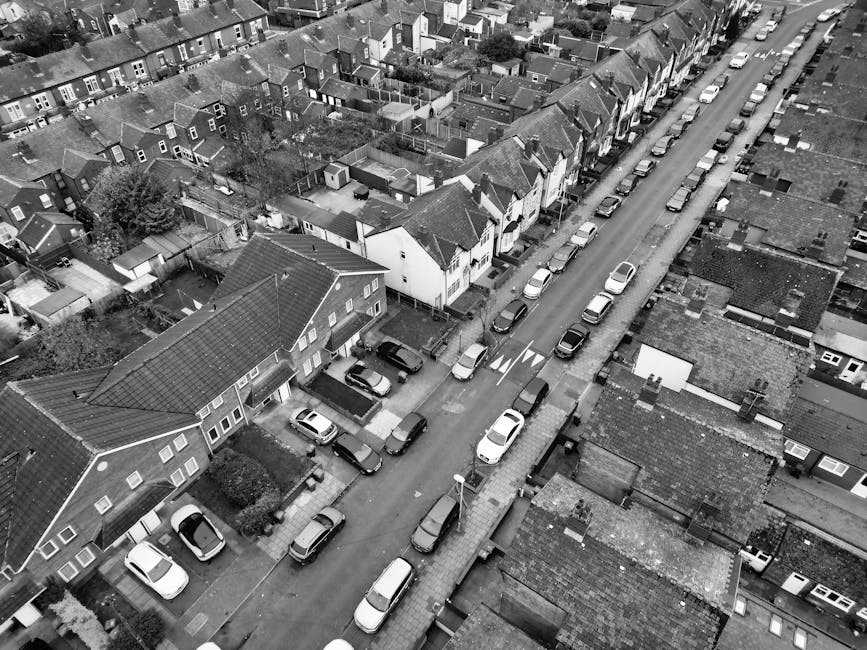
Narrow streets change the whole rhythm of a move. On a wider road, a van can often pull up close to the property, loading and unloading in a fairly direct flow. On a narrow street, small details become big details: where the vehicle can stop, whether the rear doors can open safely, how far items need to be carried, and whether there is enough room for another car to pass.
Chase Side, like many residential London roads, can be sensitive to temporary congestion. That does not mean a move is difficult by default, but it does mean the plan should be more deliberate. A slightly careless approach can create bottlenecks, frustrate neighbours, and slow the crew down. And once the day is running late, everything feels heavier somehow.
Good planning is also about protecting your belongings. The more times a sofa has to be turned, lifted, set down, and turned again because of tight access, the greater the risk of scuffs or knocks. If you are moving a larger item such as a wardrobe or piano, access planning is not a nice extra. It is essential. For delicate or bulky pieces, a service like furniture removals in Southgate can make all the difference, especially where stairways and restricted kerb space are involved.
There is another layer too: time. A narrow street move can be perfectly manageable, but only if the schedule allows for slower loading, careful positioning, and a bit of patience. The people who plan well usually finish earlier than the ones who try to improvise. That's not luck. It's logistics.
How Move Planning for Narrow Streets on Chase Side, Southgate Works
At its core, move planning for a narrow street means breaking the move into access decisions before moving day arrives. You are not just planning what goes into the van. You are planning how the van gets there, where it waits, how items travel from the property to the vehicle, and what happens if the easiest route is suddenly blocked.
A good plan usually starts with a quick access review. That means looking at street width, parked cars, bends, road markings, visibility, driveway availability, and any points where a large vehicle might struggle. On some moves, the answer is simple: the van can park outside. On others, it may need to stop further away, with a team carrying items a longer distance. Either way, it is better to know in advance.
Next comes packing and item preparation. When access is limited, the move becomes more efficient if your boxes are already clearly labelled, bulky items are dismantled where practical, and fragile things are packed with extra care. If you are still in the early stages of organising the move, the guide on efficient packing strategies for moving house is a useful companion read. It helps reduce the stop-start feeling that narrow streets can create.
Then there is vehicle selection. Not every move needs the biggest van available. In some narrow-street situations, a slightly smaller vehicle or a carefully timed arrival works better than trying to squeeze in a larger one. A flexible approach, such as a man and van Southgate service, can often suit the street conditions better than a one-size-fits-all solution. The right choice depends on volume, access, and how much carrying distance you can tolerate.
Finally, there is the loading sequence. This is often underestimated. You want the first items out of the property to be the easiest ones to move through the tightest spaces. Heavy, awkward, or fragile items should be handled in the order that reduces turning and re-lifting. If the property is a flat or has awkward entry points, planning becomes even more important. In those cases, flat removals Southgate support is especially relevant.
Key Benefits and Practical Advantages
When a narrow-street move is planned properly, the benefits are noticeable almost immediately. The day feels calmer, the loading process becomes smoother, and there is less chance of surprises that cost time and energy.
- Less congestion: Thoughtful timing and vehicle positioning reduce the risk of blocking the street.
- Safer handling: Fewer awkward turns and fewer rushed lifts mean less chance of damage or injury.
- Better time control: If you know the access constraints, you can build a realistic schedule rather than guessing.
- Lower stress: A clear plan removes that horrible feeling of "we should have thought of that earlier".
- Cleaner communication: Everyone involved understands where to park, where to carry items, and what to do if conditions change.
There is also a quiet financial benefit. Better planning can reduce the need for extra trips, unnecessary waiting time, or emergency problem-solving. Nobody wants to pay for confusion. It sounds blunt, but it is true.
For some households, the main advantage is simply preserving normal life around the move. If neighbours can still get in and out, if the road stays passable, and if loading happens efficiently, the move feels far less disruptive. That matters more than people realise.
Who This Is For and When It Makes Sense
This kind of planning is useful for almost anyone moving on or near Chase Side, but it is especially important in a few common situations.
- Residents on narrow residential streets: If parking is already tight, planning is non-negotiable.
- People moving from flats or maisonettes: Stairs, door widths and shared access add complication.
- Anyone with large furniture: Sofas, beds, wardrobes and pianos are the usual troublemakers.
- Students or renters on a deadline: Time pressure makes access planning more valuable, not less.
- Small businesses or home offices: Office kit, monitors and archive boxes need orderly handling.
Sometimes people assume a smaller move does not need detailed planning. That is not always the case. A one-bedroom flat can be harder to move than a larger house if the access is awkward and the parking is unforgiving. Weirdly enough, the smaller the move, the easier it is to underestimate it.
If you are unsure what level of support you need, it can help to look through the broader range of removal services Southgate available for different property types and access conditions.
Step-by-Step Guidance
Here is a practical approach you can use to plan a move on a narrow street without overcomplicating it.
1. Check access before you book anything
Walk the street at the time of day you expect to move. Look at parked cars, delivery activity, turn-in points, low branches, and any tight corners. If possible, take photos. A quick visual record is often more helpful than memory later on.
2. Measure the key items and the likely route
Measure the widest items you are moving, and think through the route from room to van. A wardrobe may fit through the front door but still catch on the staircase turn. A bed frame may need partial dismantling. This is where a bit of pre-move thinking saves a lot of swearing later. Not much, just enough to keep things civil.
3. Decide whether a van can stop at the property
Do not assume the van will park right outside. On some streets, it may need to stop a few doors away or in a side position that keeps traffic flowing. If the carrying distance increases, make sure your boxes are sensibly sized and not overpacked.
4. Sort, label, and group your belongings
Label each box clearly by room and priority. Separate essentials from non-essentials. If the access is tight, grouped loading reduces confusion and cuts down on unnecessary back-and-forth. A good declutter session can also shrink the job itself. For a practical reset before moving day, see pre-move decluttering tips.
5. Dismantle bulky items where sensible
It is usually easier to move a bed frame in sections than to wrestle a full frame through a narrow hallway. The same applies to some tables, shelving units and office furniture. Keep screws and fittings in labelled bags, because future-you will not be thrilled about mystery hardware.
6. Plan the loading order
Start with the items that are easiest to move and most vulnerable to delay. Then move the heavier or more awkward items once the route is clear. If you have a piano or another specialist item, use dedicated help rather than guessing. The article on the risks of DIY piano moving is worth reading if you are on the fence.
7. Protect floors, corners and doorframes
Narrow access often means more contact points. Blankets, corner protectors, and floor covers can prevent minor damage that later becomes an annoyance. It is the kind of thing you notice only when it is missing.
8. Keep one person focused on access
On the day, someone should keep an eye on the street, traffic, doors, and any shifting obstacles. This person is not there to micromanage. They are there to prevent avoidable delays. Small role, big value.
Expert Tips for Better Results
A few small choices can make a surprisingly big difference on a narrow street move.
- Move early if traffic is lighter: In many residential areas, the calmer part of the day makes access much easier.
- Keep essentials separate: A kettle, charger, documents, and toiletries should not be buried in the last box.
- Use lighter box sizes: Heavy boxes become harder to carry when the route is longer than expected.
- Communicate with neighbours: A friendly heads-up can reduce friction. A small note on a windswept morning can help more than you'd think.
- Book the right type of support: If the move is straightforward in volume but tight on access, a man with a van Southgate option may be more practical than a larger setup.
If you are moving mixed contents or heavier household items, the right combination of planning and handling makes a real difference. For example, if you need to relocate furniture, the route from front room to vehicle should be clear before anything is lifted. And if you are moving a bed or mattress, a dedicated guide like these bed and mattress relocation tips can help you avoid bending, dragging, or compressing items in ways that cause damage.
One more thing: do not overfill your day. A narrow-street move almost always takes longer than a move with easy access. Build in a cushion. It is better to finish a little early than to spend the last hour trying to beat the clock. Nobody enjoys that feeling, honestly.

Common Mistakes to Avoid
Most problems on narrow street moves are predictable. That is good news, because predictable problems can be avoided.
- Assuming the van will fit without checking: Never rely on guesswork for access.
- Packing boxes too heavy: Long carry distances make overloaded boxes a bad idea.
- Forgetting about parking pressure: A street that feels calm at 9am may be much busier by lunchtime.
- Not dismantling furniture in advance: This often causes the biggest delays.
- Leaving fragile items for the last minute: Rushed wrapping leads to breakages, it really does.
- Ignoring neighbour access: Blocking driveways or shared entrances creates avoidable conflict.
- Trying to lift awkward items alone: If in doubt, use proper handling methods or get help. There is no prize for doing it the hard way.
For anything physically demanding, it is sensible to refresh your approach to handling technique. The guide on safely lifting heavy objects solo and the piece on kinetic lifting both offer useful reminders about safer movement and body position.
Tools, Resources and Recommendations
Good move planning does not need a huge toolkit, but a few practical items help a lot.
| Tool or Resource | What It Helps With | Why It Matters on a Narrow Street |
|---|---|---|
| Measuring tape | Furniture and access checks | Confirms whether items will fit through doors, hallways and van openings |
| Labels and marker pens | Box identification | Speeds up loading and unloading when carry distances are longer |
| Furniture blankets | Surface protection | Helps avoid knocks against walls, rails and doorframes |
| Floor runners or covers | Floor protection | Useful when items need to be turned in tight indoor spaces |
| Small screwdriver set | Basic dismantling | Makes quick work of beds, tables and modular furniture |
| Inventory list | Tracking belongings | Helps prevent missing items when loading is slower or split into stages |
On the service side, it can also be useful to compare options based on your access rather than just your volume. For instance, removal van Southgate support may suit a larger household, while same day removals Southgate can be helpful if timing is tight and the opportunity window is short.
If you are not yet sure which service level fits your move, the broader services overview is a sensible place to compare your choices without overcommitting too soon.
Law, Compliance, Standards, or Best Practice
For most home moves, the key concerns are practical rather than legal, but there are still standards and responsibilities worth respecting. On a narrow street, you should always think about safe road use, neighbour access, and the handling of heavy or awkward loads. In the UK, local parking restrictions, dropped kerbs, and loading rules can vary, so it is wise to check the local situation rather than assume a routine arrangement will be fine.
From a safety perspective, good practice usually means:
- not blocking driveways, emergency routes, or junction sight lines;
- avoiding unsafe lifting or carrying practices;
- keeping walkways clear where possible;
- using suitable equipment for heavy or fragile items;
- checking whether any item needs specialist handling.
If you are hiring help, it is sensible to look for clear information about insurance and safety processes. A company's insurance and safety guidance should give you a clearer sense of how risks are managed. Likewise, the health and safety policy can show whether a provider takes safe working seriously or just says the right words on the page.
There is also a professionalism angle. Reliable movers should be clear about terms, pricing, and what happens if access is more difficult than expected. Reading the terms and conditions and pricing and quotes pages before booking can prevent misunderstandings later. Boring? Maybe a little. Useful? Absolutely.
Options, Methods, or Comparison Table
There is no single best method for every narrow-street move. The right choice depends on volume, furniture type, time pressure, and how tight the access really is.
| Approach | Best For | Pros | Trade-offs |
|---|---|---|---|
| Standard van parked close to property | Good access and moderate volume | Fast loading, fewer carry steps | May not be possible on the narrowest parts of Chase Side |
| Smaller vehicle or flexible van setup | Tight streets, lighter loads | Easier positioning, less blockage risk | May require more trips if volume is underestimated |
| Planned carry from a nearby safe stopping point | Limited kerbside access | Realistic in constrained roads, avoids forcing access | More labour and more time needed |
| Specialist handling for large items | Pianos, oversized furniture, fragile pieces | Lower damage risk, more confidence | Usually costs more and needs planning |
For a bigger family move, the full house removals Southgate service may be the most appropriate route. For more compact properties, a focused flat removals Southgate approach can be far more efficient. And if the move involves business equipment rather than home contents, office removals Southgate may fit the job better than a general home move service.
Case Study or Real-World Example
Imagine a typical move from a two-bedroom property on a narrow section of Chase Side. The household has a sofa, dining table, two beds, several wardrobe units, and a mix of standard boxes. The street is lined with parked cars, and there is no easy turning space directly outside the front door.
The move goes better when the team does three things early: they confirm where the van can stop, they dismantle one bed frame before loading begins, and they group the smaller boxes by room so they can be carried in waves rather than piecemeal. That reduces backtracking and keeps the hallway from becoming a bottleneck.
One small but useful detail: the heaviest boxes are labelled clearly, and the fragile kitchen items are kept separate from the general pile. That way, if the van has to be parked a short walk away, the first load out is the one that can be carried confidently without everyone second-guessing the contents.
The whole move still takes patience. Narrow-street moves usually do. But the difference between a stressful day and a manageable one is often just a few good decisions made in advance. In our experience, that is where most of the value lies.
Practical Checklist
Use this checklist the day before and on the morning of the move.
- Confirm the vehicle size and access plan.
- Check street parking and likely stopping points.
- Measure large items and any tight internal gaps.
- Label all boxes by room and priority.
- Dismantle furniture where practical.
- Pack fragile items separately and mark them clearly.
- Protect floors, corners and doorframes.
- Keep documents, keys, chargers and essentials accessible.
- Tell neighbours if loading might briefly affect access.
- Have a contact number ready in case the plan needs a quick adjustment.
Expert summary: The safest narrow-street move is not the one that tries to be clever. It is the one that prepares for limited access, builds in time, and keeps furniture handling simple.
If you want a smoother lead-up, it can help to revisit practical move prep guides such as stress-free house move tips and the guidance on pre-move and house cleaning. A clean, cleared property is much easier to manage when space is tight.
For storage overflow, especially if access makes it easier to split the move across more than one day, the page on storage Southgate may also be useful. And if you need packing materials, the packing and boxes Southgate page is a practical next stop.
Conclusion
Move planning for narrow streets on Chase Side, Southgate is mostly about reducing uncertainty before it turns into delay. The more you know about access, vehicle positioning, item size, and loading order, the calmer the move feels. That is the real win here. Not perfection. Just control.
Start early, keep the plan simple, and choose support that matches the street rather than forcing the street to match the move. A narrow road is not a problem on its own; it only becomes one when the logistics are left too late.
If you take one thing from this guide, let it be this: measure first, move second. Everything else gets easier from there, even if the day is a bit noisy and a little messy around the edges.
Get a free quote today and see how much you can save.
To speak with a local team about access, timing, or the best approach for your move, you can always get in touch with us here or learn more about our Southgate moving team.