




Packing Panic: Last-Minute Southgate Move Survival Guide
Posted on 30/07/2026
If you are staring at half-filled boxes, a growing pile of loose items, and a moving day that suddenly feels very real, you are in the right place. This Packing Panic: Last-Minute Southgate Move Survival Guide is for those slightly chaotic moments when time has run out, the kettle is still on the counter, and you need a calm plan fast. Truth be told, most last-minute moves are less about perfection and more about making smart decisions under pressure.
That does not mean winging it. It means prioritising the right rooms, protecting the things that matter, and avoiding the common mistakes that turn a rushed move into a stressful one. You will find practical packing sequences, local Southgate moving considerations, a useful checklist, and realistic guidance for deciding when to keep going yourself and when to call in help.
And yes, there is a way to get through this without losing your sanity. Not effortlessly. But well enough.

Why Packing Panic: Last-Minute Southgate Move Survival Guide Matters
Last-minute packing matters because moving stress multiplies fast. Once the deadline is close, every unlabelled box, every awkward sofa corner, and every missing charger becomes a small crisis. In Southgate, that pressure can feel even sharper if you are moving from a flat with stairs, dealing with a tight parking space, or trying to finish packing before a van arrives.
Rushing usually leads to the same problems: breakages, forgotten essentials, damaged furniture, and that awful moment when you realise the pasta pan is somewhere in a mystery box labelled "misc." The aim here is not just speed. It is controlled speed. A move can be fast and still be tidy, safe, and workable.
If you are planning a larger property move, a smaller flat move, or even just need an urgent vehicle and loading hand, the right approach makes a noticeable difference. You can explore broader support through house removals in Southgate and flat removals in Southgate, especially if your layout is awkward or the clock is not on your side.
Expert summary: Last-minute packing works best when you stop trying to finish everything and start focusing on what must be protected, moved, and found first after arrival.
How Packing Panic: Last-Minute Southgate Move Survival Guide Works
The guide works by breaking the move into manageable layers. Instead of packing room by room in a perfect order, you sort items by urgency, fragility, and usefulness on day one. That is the trick. You decide what must be packed carefully, what can be bundled quickly, and what should never be packed into random boxes just because they are nearby.
In practice, the method looks like this:
- Secure your essentials first: documents, meds, chargers, keys, toiletries, and a change of clothes.
- Pack non-essentials next: books, ornaments, seasonal items, spare bedding, and decor.
- Protect bulky pieces with the right wrapping and lifting technique.
- Label in a way that helps future-you, not just today-you.
- Keep one survival bag with everything needed for the first 24 hours.
That may sound obvious, but the real value is in sequence. For example, if you are dismantling a bed, wrapping a TV, and trying to empty the bathroom all at once, you will lose time. A better plan is to pick one zone, clear it properly, and finish it. Then move on. Simple, not easy.
If you want a deeper approach to the packing process, the article on efficient strategies for packing when moving house is a strong companion read. It pairs well with a rushed move because it focuses on structure, not fuss.
Key Benefits and Practical Advantages
The biggest benefit of a last-minute packing system is obvious: it saves time. But that is only the start. A good emergency packing approach also reduces physical strain, cuts breakage risk, and helps you settle into the new place faster. You will notice the difference most in the first evening, when you are tired and just want the right things within reach.
Here are the main advantages, in plain English:
- Less decision fatigue: you are not rethinking every item three times.
- Lower damage risk: fragile items are wrapped with purpose, not stuffed into the nearest tote.
- Better unpacking later: labels and room grouping save you hours.
- Safer lifting: fewer rushed bends, twists, and bad carries.
- More predictable moving day: you know what still needs attention.
There is also a psychological benefit. When boxes start to stack neatly and the essentials bag is ready, panic drops. Not completely, of course. This is moving. But enough to let you think clearly again.
For many people, the real win is knowing they can still rescue the move without turning it into a disaster. If you need an extra pair of hands or a van at short notice, same day removals in Southgate can be a practical option when timing gets tight.
Who This Is For and When It Makes Sense
This guide is for anyone who has left packing a bit too late. To be fair, that is more common than people admit. It is especially useful if you are:
- moving out of a rental and working to a fixed handover time;
- packing after a last-minute offer, job change, or family shift;
- moving from a flat with stairs, narrow hallways, or limited lift access;
- trying to relocate student belongings quickly between terms;
- downsizing and still deciding what to keep;
- moving business equipment or home-office items under time pressure;
- dealing with bulky furniture that needs more than a couple of cardboard boxes and hope.
If your move involves larger items, it is worth thinking ahead about handling and transport rather than trying to muscle everything through the front door. The local page for furniture removals Southgate is relevant when sofas, wardrobes, beds, or dining sets are part of the problem. And if the item list includes upright instruments, there is a reason so many people look at piano removals in Southgate instead of a DIY attempt.
Honestly, last-minute packing makes most sense when you accept that the objective is not perfect order. It is a safe, complete move with minimal drama. That is the real target.
Step-by-Step Guidance
If you are in packing panic mode, follow this order. Do not skip around unless you have to. The sequence matters more than fancy materials.
1. Clear one surface and create a command point
Pick a kitchen table, worktop, or empty floor space. This becomes your central point for tape, labels, scissors, markers, and documents. When you are tired, wandering from room to room looking for tape is a small but real time-waster. You know the feeling.
2. Build an essentials bag first
Put these items aside before you pack anything else:
- keys
- wallet and cards
- chargers
- medication
- toiletries
- snacks and water
- one set of bedding
- one outfit for tomorrow
- important papers
Keep this bag with you, not in the van. If there is one rule to follow, this is it.
3. Pack room by room, but only one category at a time
Instead of clearing an entire bedroom in one giant blur, pack the obvious categories first. For example: books, decor, spare clothes, then loose items from drawers. This reduces mess and helps you see what remains. A rushed room can still be logical. It just needs tighter boundaries.
4. Use the "last-night box" method
Every room should have a final box for the essentials that must stay accessible until the end. In the kitchen, that might include mugs, a plate, washing-up liquid, tea bags, and one pan. In the bedroom, it could be sleepwear, chargers, and a lamp. Label it clearly as OPEN LAST.
5. Wrap fragile items properly
Use paper, blankets, towels, or bubble wrap where needed, but make sure things cannot rattle around. The goal is to stop movement inside the box. A half-full fragile box is often worse than a full one because the contents can shift. Fill gaps carefully.
6. Break down furniture only if it saves time later
Some furniture is easier to move assembled. Some is not. Beds, shelving, and certain tables often move better in parts. Keep screws and fittings in a small bag taped to the item or placed in a clearly marked pouch. If you are relocating a bed, the article on relocating your bed and mattress is helpful for avoiding those classic, irritating mistakes.
7. Label with both room and contents
"Kitchen - pans and utensils" is much better than "misc 3." Future-you will be grateful. Add a colour marker if you want, but only if it does not slow you down. Clear labels matter more than pretty labels.
8. Load the van in a practical order
Heavier, sturdier items usually go first, with more delicate boxes placed securely on top or in protected sections. Keep essentials accessible. If something will be needed first at the new place, do not bury it under a mountain of winter coats and a lamp.
9. Keep a small clean-up kit to hand
Bin bags, wipes, cloths, a small vacuum or brush, and a bit of spray cleaner can save the final half hour. A move nearly always leaves crumbs, dust, and a strange forgotten smell near the skirting boards. Just part of the deal.
10. Finish with a short walk-through
Check cupboards, drawers, shelves, behind doors, and the loft or under-bed spaces if relevant. One last slow walk-through often catches the thing everyone missed. A cable. A pet bowl. A passport. It happens.
Expert Tips for Better Results
When time is short, the details matter more than ever. Here are the small decisions that make a big difference.
- Use soft items as padding: towels, jumpers, and bedding can protect awkward or breakable items.
- Keep box weight sensible: a rushed box should still be liftable. Books in a huge box are a classic mistake.
- Bundle cables by device: tape or tie each one and label it. Future-you again.
- Photograph complex setups: TV cables, router connections, shelves, and furniture fittings are much easier to rebuild later.
- Pack by priority, not sentiment: sentimental sorting can wait. Do the practical things first.
- Check access routes: stairs, narrow hallways, and parking spots change what can be moved safely and quickly.
For people who are physically stretched or dealing with heavier items, there is no hero medal for lifting badly. It is usually smarter to use proper technique or ask for help. If you want a grounded introduction, the guide to safely lifting heavy objects solo is worth reading before you decide to shift that chest of drawers by yourself.
And if you are moving through tricky streets or tight parking around North London, planning matters just as much as packing. Southgate has its own local quirks, especially where access or parking permissions are concerned. The article on avoiding fines and parking permit issues during Southgate removals gives you a practical angle on that side of the move.
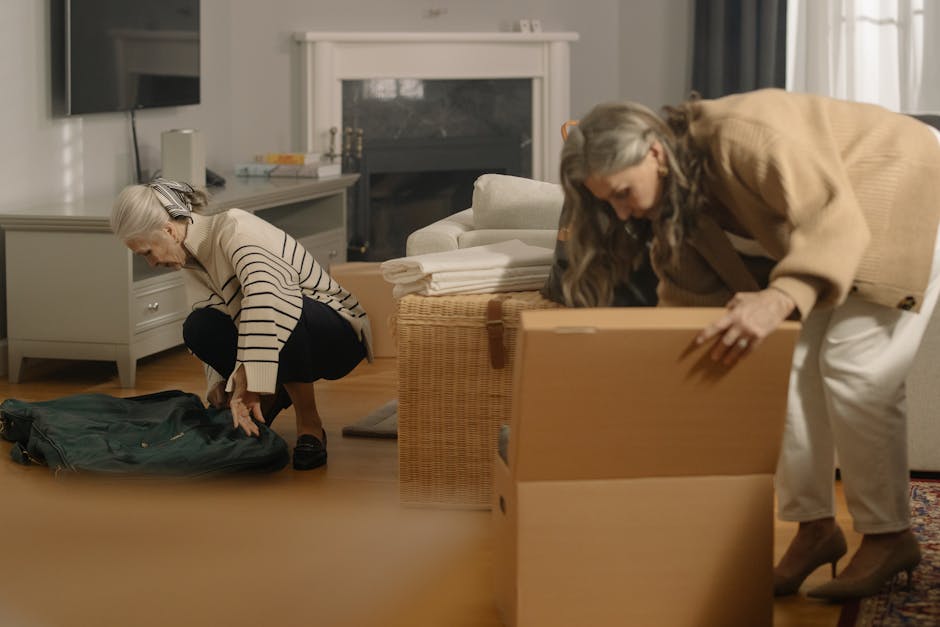
Common Mistakes to Avoid
Last-minute movers tend to make the same mistakes again and again. Most of them are avoidable, which is the annoying bit.
- Overpacking boxes: if you have to test your grip before lifting, the box is too heavy.
- Packing essentials too early: the toothbrush, kettle lead, and phone charger should not vanish into the back of the van.
- Mixing room contents: it saves a minute now and costs ten later.
- Forgetting to measure larger furniture: especially in flats and narrow stairwells.
- Leaving fragile items unprotected: a tea towel alone is not miracle armour.
- Trying to move everything with no plan: chaos is not a strategy, however enthusiastic it feels at 9pm.
- Ignoring disposal decisions: if something is not coming with you, deal with it early rather than carrying it around twice.
Decluttering is not just for perfectionists. If you are short on time, reducing the number of objects you move is one of the quickest ways to relieve pressure. A useful companion piece is pre-move decluttering, which can help you decide what is worth packing at all.
One more thing: do not underestimate the emotional drain. A messy move can make you feel behind before you have even started. That feeling is common. It passes when the first boxes are sealed and the first room is actually done.
Tools, Resources and Recommendations
You do not need a warehouse full of supplies, but a few basics will make the move much smoother. If you are starting late, these are the items worth getting immediately:
- strong packing tape and a tape dispenser
- permanent marker pens
- different-sized boxes
- bin bags for soft items and waste
- labels or sticky notes
- bubble wrap or packing paper for fragile items
- blankets or towels for cushioning
- gloves for grip
- basic tools for furniture disassembly
- snack and water stash, because you will forget otherwise
If you still need packing materials, packing and boxes in Southgate is a sensible place to look for local support. If your move is bigger than expected or you need a vehicle with space and timing flexibility, man with a van Southgate, man and van Southgate, and removal van Southgate can help you think through the right setup.
If you are comparing suppliers or just want a better sense of what to expect, the page on pricing and quotes is useful for understanding how moving costs are usually approached. And for people who want the broader picture of available help, services overview and removal services Southgate are practical starting points.
Law, Compliance, Standards, or Best Practice
Moving house is not usually complicated from a legal point of view, but there are still practical standards worth respecting. In the UK, the main best-practice areas are safe lifting, proper loading, clear access, and sensible handling of personal data and valuables. That may sound dry, but it is exactly where problems happen when people rush.
For example, if you are handling furniture or heavy items, the safe approach is to use good lifting technique, avoid twisting, and do not attempt moves that are clearly a two-person job just to save ten minutes. If a route involves stairs, awkward angles, or tight turns, the risk of damage rises quickly. That is why experience matters more than bravado here.
Parking and access can also become an issue in Southgate, especially where space is limited. It is sensible to check local parking realities in advance and not assume the van can simply stop anywhere. If you are handling shared entrances, flats, or communal hallways, keep noise, obstruction, and damage to a minimum. That is not just polite; it avoids unnecessary disputes.
On the business side, reputable removal operators should be able to explain their process, safety expectations, and insurance approach clearly. If you are comparing providers, it is reasonable to ask about cover, handling procedures, and what happens if plans change. You may also want to review insurance and safety, health and safety policy, and terms and conditions before booking anything in a hurry.
One practical note: if you are disposing of large items rather than moving them, do that responsibly and do not dump things just because the schedule is tight. The sustainability angle matters too, and the page on recycling and sustainability is a helpful reminder that a move can be both efficient and considerate.
Options, Methods, or Comparison Table
When time is short, you usually have three options: pack everything yourself, get partial help, or hand the move over to a professional removal team. Each has its place. The right choice depends on how much stuff you have, how awkward the property is, and how calm you feel at the halfway point.
| Method | Best for | Pros | Trade-offs |
|---|---|---|---|
| DIY packing and DIY transport | Small loads, flexible deadlines, very limited budget | Most control, potentially cheaper upfront | High stress, more lifting, more risk if time runs out |
| DIY packing with van support | People who can pack but need transport and loading help | Good balance of cost and support | Still requires organisation and fast decisions |
| Full removal service | Busy households, flats, heavy furniture, urgent deadlines | Less physical strain, smoother loading, quicker execution | Higher cost than doing it all yourself |
There is no universal winner. A student move from a small flat is a very different job from relocating a family home with a wardrobe, mattresses, and a couple of bulky items that barely fit through the hallway. For students, student removals can be particularly relevant. For heavier domestic loads, removals Southgate is often the broader category to consider.
If your move is genuinely urgent, it may also be worth looking at emergency same-day removals in Southgate N14. Wait - that exact page title is not part of the approved URL list, so let's keep it simple: the matching approved resource is emergency same-day removals in Southgate N14. When timing is tight, clarity helps.
Case Study or Real-World Example
Imagine a Southgate tenant who realises on a Thursday evening that the move-out handover is the next morning. No neat labels. No folded bedding stacks. A wardrobe still full of clothes. The kitchen is half packed, and the hallway looks like a small warehouse exploded. Not ideal, obviously.
The first move is to stop sorting sentimental items and start saving the essentials. Documents go into one pouch. Chargers, toiletries, and clothes for the next day go into a bag. Fragile kitchen items are wrapped using tea towels and spare wrapping paper. Drawers are emptied by category rather than randomly. Heavy items are left for a second pass after the route to the door has been cleared.
Then the route itself is checked. Is there enough space to carry the bed frame without scraping the wall? Can the van stop safely nearby? Are the stair turns manageable, or does the wardrobe need dismantling? Those questions matter more than trying to make every box look perfect.
By the end of the evening, the move is not beautiful, but it is under control. The essentials are packed, the biggest risks are handled, and the van load is organised enough to avoid panic the next morning. That is what survival looks like in practice. Not glamorous. Just effective.
There is a reason people often combine packing advice with local planning articles such as move planning for narrow streets on Chase Side Southgate and Arnos Park moves practical tips for Southgate homes. The street layout, access, and parking reality can make or break a tight move.
That is also why people moving from flats often appreciate guidance like the Southgate Circus flat removals access stairs guide. Access is not a small detail. It is the move.
Practical Checklist
Use this checklist when the pressure starts climbing. Tick things off quickly and keep moving.
- Gather boxes, tape, labels, marker pens, and wrapping materials.
- Set aside keys, documents, charger cables, medication, and valuables.
- Pack a first-night essentials bag.
- Pack room by room, one category at a time.
- Label each box with room and contents.
- Keep heavy items in smaller boxes.
- Wrap fragile items securely and fill empty spaces.
- Separate screws, fittings, and small parts into labelled bags.
- Check access, stairs, parking, and loading space.
- Clear paths so items can be carried safely.
- Do a final sweep of cupboards, drawers, shelves, and behind doors.
- Keep cleaning cloths and bin bags ready for the final tidy.
- Confirm the next step for anything not moving with you.
Quick reminder: if a box cannot be lifted comfortably, it is too heavy. That one rule saves a lot of trouble.
Get a free quote today and see how much you can save.
Conclusion
Packing panic is stressful, but it is manageable. The trick is not to fight the clock with perfectionism. It is to use a clear order, protect the essentials, and make a few sensible choices before the whole day starts running away from you. Once you stop trying to do everything at once, the move gets smaller. Much smaller.
Whether you are moving a flat, a family home, student belongings, or a heavy set of furniture, the same principle applies: pack with purpose, label clearly, lift safely, and keep the first night in mind. That is what turns a messy deadline into a workable plan. And if you still feel a bit overwhelmed, fair enough. Moving is one of those jobs that always looks easier from the outside.
What matters now is the next box, the next bag, the next small win. Keep going. You are closer than it feels.
If you want to understand more about the people behind the service, you can also read the about us page. If you are ready to talk through your move, the team is reachable through the site's contact options, and for practical moving support, the wider services overview can help you choose the right level of help.