






Bulky Item Disposal in Southgate -- Local Pickup Options
Posted on 26/06/2026
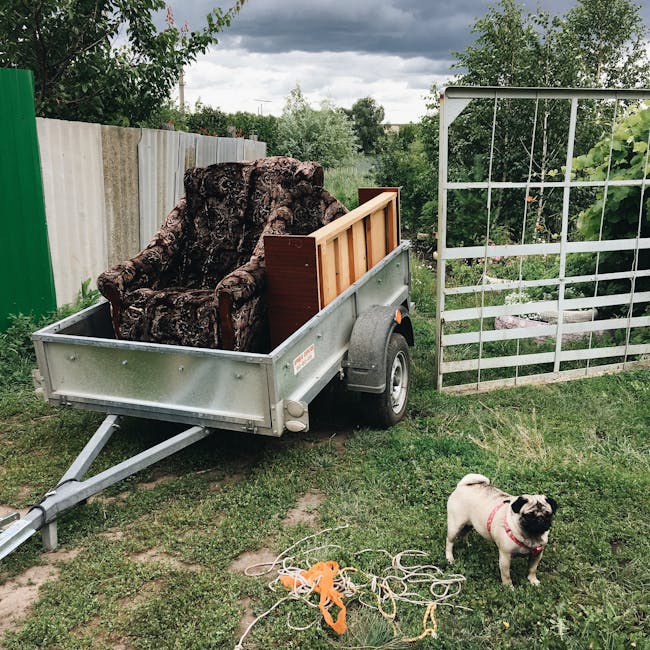
If you've got a sofa in the hallway, a broken wardrobe in the bedroom, or a fridge that somehow became "tomorrow's problem" six weeks ago, you're in the right place. Bulky Item Disposal in Southgate -- Local Pickup Options is really about making that awkward, heavy, space-hogging job feel manageable again. And, to be fair, it often starts with one simple question: what is the safest, quickest, and least stressful way to get rid of it?
In Southgate, local pickup options can be a smart alternative when items are too large for standard waste bins, too awkward to move alone, or too time-sensitive to leave sitting around. This guide walks you through how the process works, who it suits, what to watch out for, and how to choose a sensible pickup solution without overcomplicating the whole thing.
Why Bulky Item Disposal in Southgate -- Local Pickup Options Matters
Bulky items create problems fast. They block rooms, make cleaning harder, and can turn a simple move, refurbishment, or clear-out into a bit of a logistical puzzle. In a place like Southgate, where homes can have narrow stairways, shared entrances, tight parking, and the occasional awkward corner turn, moving a large item is not always just a matter of "lifting and loading".
That is why local pickup options matter. They reduce the gap between "I need this gone" and "it is actually gone". Instead of hiring a full removals crew for one or two items, you can arrange a more targeted collection that fits the job. Sometimes that means a same-day response, sometimes a scheduled pickup, and sometimes help with lifting, loading, and transport in one go.
There is also a practical side people often miss: bulky waste left too long can attract damp, get in the way of trades, or become a safety hazard. A heavy item leaning against a wall is not harmless. It can tip, scratch floors, or simply become that one thing everyone keeps stepping around. No one needs that in a busy household.
For many Southgate residents, local pickup options also fit neatly alongside decluttering, moving house, or clearing out old furniture before storage or redecoration. If you are already planning a move, you may find it useful to read about pre-move decluttering and how to keep a house move less stressful. These two things often go hand in hand. Clear the bulky items first, and the rest gets easier. Simple as that.
How Bulky Item Disposal in Southgate -- Local Pickup Options Works
Most local pickup arrangements follow a fairly straightforward process, though the details can vary depending on what you need removed. The main idea is the same: you describe the item, confirm access, agree a time, and have the item collected from your property or kerbside.
In practice, the process usually looks like this:
- Identify the item or items - think sofa, mattress, wardrobe, cabinet, white goods, exercise equipment, or office furniture.
- Check access - stairs, lifts, narrow hallways, parking restrictions, and distance from the door all matter.
- Choose the pickup style - one-person assist, two-person lifting, vehicle loading, or a larger van for multiple pieces.
- Book a slot - some jobs can be arranged at short notice, others are better scheduled for a calmer time window.
- Prepare the item - disconnect appliances safely, clear surrounding space, and remove loose contents.
- Collection and transport - the item is loaded, secured, and taken away for appropriate disposal, reuse, or recycling where suitable.
What makes local pickup especially useful is the flexibility. A large item does not always need a big clean-out plan. Sometimes you just need a professional to arrive, assess the route, and handle the heavy lifting without making a drama of it. And honestly, that matters when you've already got enough on your plate.
If your bulky item is part of a wider furniture clear-out, you may also want to compare it with furniture removal support in Southgate or broader removal services in Southgate. The right choice often depends on whether you are disposing of one item, several items, or a mix of keep/donate/recycle pieces.
Key Benefits and Practical Advantages
The obvious benefit is convenience. But there's more to it than that.
- Less physical strain - large furniture and appliances can be difficult to move safely, especially on stairs or in tight spaces.
- Faster clear-outs - local pickup can free up rooms quickly, which is useful before a move, sale, tenancy change, or renovation.
- Better safety - fewer DIY attempts means lower risk of damaged floors, broken walls, sore backs, and bruised shins. The shin bruises, by the way, always seem to find a way in.
- More suitable transport - bulky items need the right van size and proper securing during transit.
- Less hassle with access - if your property has awkward entry points, local pickup teams are usually better equipped to work around them.
- Potential recycling or reuse routes - depending on the item's condition, it may be suitable for recycling, repurposing, or responsible disposal.
There is also a less glamorous but very real benefit: peace of mind. Once the item is booked in, it stops hanging over you. No more "we'll deal with it at the weekend" turning into next month's headache.
For some households, the value is mostly about timing. A mattress needs removing before new flooring goes down. A broken freezer needs shifting before the new one arrives. A garden item needs to go before a clear-out starts. If any of that sounds familiar, local pickup is often the most practical route.
Who This Is For and When It Makes Sense
This service is not just for people moving house. In fact, lots of different Southgate residents and businesses use bulky item pickup for very ordinary reasons.
Households and families
If you have outgrown a sofa, replaced a bed, or finally decided the old chest of drawers is not worth keeping "just in case", pickup options can help you reclaim space without turning the house into a temporary storage unit.
Landlords and tenants
End-of-tenancy clearances often involve awkward items left behind. A local pickup can help restore the property to a presentable state without dragging the process out. If there is also a need to tidy, consider pairing this with pre-move outdoor and house cleaning tips so the space is ready for handover.
Students
Student flats can accumulate more furniture than anyone remembers bringing in. Desks, chairs, shelving, spare bedding, broken microwaves - it adds up quickly. If you are already managing a term-time move, local pickup can keep the process sane. You may also find student removals in Southgate helpful if you need more than just one-off disposal.
Small businesses and offices
Office desks, filing cabinets, reception seating, and old equipment can be cumbersome to clear. A pickup option is often a better fit than trying to make your team do it between emails and coffee breaks. There is a nice bit of logic there, really.
Anyone dealing with a one-off bulky problem
Maybe you bought a replacement appliance. Maybe a relative moved into care and the old furniture now needs sorting. Maybe your garage is full of items that should have left years ago. If the item is too large for normal rubbish collection and too awkward for a standard car, pickup becomes the sensible middle ground.
Step-by-Step Guidance
Here is a practical way to handle bulky item disposal without overthinking it.
- List everything you want removed
Do a quick walk-through. Separate what is going, what might be donated, and what definitely needs disposal. A five-minute note on your phone is enough. - Measure the awkward bits
Width, height, and stair turns matter more than people expect. If a sofa barely fitted in, it will not magically become easier on the way out. - Check access and parking
Think about front-door distance, whether the van can stop nearby, and whether you need a permit or a particular loading spot. If parking is tight, this step saves time later. For related planning, the article on avoiding fines and dealing with parking permits is worth a look. - Prepare the item safely
Empty drawers, remove detachable shelves, unplug appliances, and make sure no loose parts will rattle around. If you are dealing with a freezer, planning matters even more; this guide on storing a freezer when it's not in use gives useful context. - Ask about lift-and-carry support
Some pickups are kerbside only, while others include collection from inside the property. That distinction changes the effort and sometimes the price. - Confirm what happens next
Will the item be recycled, reused, or disposed of? You don't need a lecture, just clarity. People appreciate straightforwardness. - Keep the route clear
Move shoes, rugs, pet bowls, and anything fragile out of the path. It sounds obvious, but in the middle of a collection day, little clutter becomes big clutter fast.
If the item is particularly heavy or awkward, do not try to improvise a solo lift unless you genuinely know what you are doing. The basics of safe handling are covered well in lifting heavy objects safely and kinetic lifting principles. Both are good reminders that "just grab it" is not a plan.
Expert Tips for Better Results
After a while, a few patterns become obvious. The smoothest bulky item pickups are usually the ones where the person booking has thought through the little details before collection day.
- Book earlier than you think you need to - not every job is urgent, but plenty become urgent after a delay.
- Take photos in advance - useful for quoting, access checks, and avoiding confusion about item size.
- Disassemble what you can safely disassemble - remove legs, cushions, and shelves if they come off easily.
- Protect floors and walls - blankets, cardboard, or simple corner protection can prevent scuffs during removal.
- Keep one clear route - don't have two people giving different directions down a staircase. It gets funny for about ten seconds.
- Be honest about access - if there are tight bends, steep steps, or narrow doors, say so upfront.
One practical tip that saves a lot of bother: combine bulky disposal with other clearance tasks. If you are replacing furniture, you may want to coordinate the collection with man with a van support in Southgate or a broader man and van service so the trip is done in one visit instead of three separate jobs.
Another tip, especially in Southgate homes with limited storage, is not to let removed items sit "temporarily" in the hallway. Temporary has a habit of becoming permanent. You know how it goes.

Common Mistakes to Avoid
The biggest mistakes are usually simple ones, which is annoying, but also useful because they are easy to avoid once you know them.
- Underestimating weight - a bulky item may not be especially large, but it can still be awkwardly heavy.
- Forgetting access constraints - stairs, tight turns, and parking distance can change the whole job.
- Leaving contents inside - drawers, shelves, and hidden compartments often add avoidable weight.
- Assuming every item can be handled the same way - a sofa and a washing machine are both bulky, but they are handled differently.
- Booking too late - leaving disposal until the last day adds stress and can limit your options.
- Trying to carry something too far alone - a short lift can turn into a long, awkward shuffle very quickly.
There is also a classic mistake: not checking whether the item needs a bit of preparation before it is removed. Appliances, for example, can require safe disconnection and time to dry or settle. For furniture, you may want to protect upholstery first, which is why articles like sofa storage and protection tips can be surprisingly useful even if you are not storing the sofa at all.
And yes, one more: assuming "it'll be fine". That phrase has caused more avoidable DIY problems than most people would admit.
Tools, Resources and Recommendations
You do not need a workshop full of equipment to manage bulky disposal well. But a few simple tools make the process safer and cleaner.
- Measuring tape - for doors, hallways, and item dimensions.
- Work gloves - basic grip and hand protection go a long way.
- Furniture sliders or blankets - helpful when moving items over hard floors.
- Basic screwdrivers or Allen keys - useful for taking off legs, handles, or shelves.
- Strong bin bags or boxes - for loose fittings, cables, and small parts.
- Phone photos - probably the simplest quoting aid of all.
For households that are clearing multiple rooms, these supporting resources can also help:
- packing materials and boxes in Southgate for sorting loose items.
- storage options in Southgate if some items are staying but need to move out temporarily.
- recycling and sustainability information for a greener approach to disposal.
- pricing and quote guidance if you want a clearer idea of what to expect before booking.
If the job is part of a wider move, packing and boxes support and house removal services can help you fold bulky disposal into the larger plan. That often makes the whole week feel more manageable. Less back-and-forth, less clutter, fewer surprises.
Law, Compliance, Standards and Best Practice
When bulky items leave your property, responsible handling matters. In the UK, waste should be managed properly, and you should be cautious about handing items to anyone who cannot explain what will happen to them next. That is especially true for electricals, large furniture, and items that could contain hazardous components.
Best practice is straightforward:
- Use a collection option that handles the item responsibly.
- Make sure the provider is clear about what they collect and how they transport it.
- Keep records or confirmations where useful, especially for tenancy, business, or insurance reasons.
- Do not leave items on pavements or shared spaces unless that arrangement is genuinely allowed and arranged in advance.
From a safety perspective, bulky item removal should also be done with sensible manual handling. If something feels too heavy, too bulky, or too awkward for one person, treat that as a warning sign, not a challenge. Good practice is usually boring in the best way: steady lifting, clear communication, and no rushed movements.
If you are comparing local providers, you may also want to check policies and reassurance pages such as insurance and safety, health and safety policy, and terms and conditions. They help set expectations and reduce misunderstandings before the van arrives.
Also, if you are worried about service quality or process, the pages on complaints procedure and privacy policy can be useful for understanding how a business handles customer information and feedback. That's not the glamorous bit, but it matters. Trust is built in the details.
Options, Methods, or Comparison Table
There is no single "best" option for every bulky item. The right method depends on volume, urgency, access, and condition. Here is a simple comparison to help you think it through.
| Option | Best for | Pros | Trade-offs |
|---|---|---|---|
| Local pickup collection | One-off or small number of bulky items | Fast, convenient, less physical effort | Needs clear access details and accurate item description |
| Man and van support | Mixed loads, furniture, household items, flexible timing | Good balance of lifting help and transport | May be more than needed for a very small job |
| Full removals service | Larger clear-outs or disposal alongside moving home | Structured support, useful for multiple rooms or heavy items | Can be more extensive than a simple pickup |
| DIY disposal | Very light, manageable pieces with easy access | Feels cheap at first | Risk of injury, damage, delays, and disposal mistakes |
For many Southgate households, the sweet spot is somewhere between a van-assisted pickup and a more complete removals setup. If you are also moving to a new place, the broader guidance on removals in Southgate and removal van options can help you decide what level of support is appropriate.
Case Study or Real-World Example
A typical Southgate scenario goes like this. A couple are replacing a worn sofa and a bed frame before new carpet is fitted. They have limited hallway space, a front step, and a parking bay that can only be used for a short loading window. The sofa has awkward arms, the bed frame comes apart, and both items need to be removed before the decorators arrive on Monday morning.
Rather than trying to move everything in stages across a wet weekend, they arrange a local pickup. They send a couple of photos, confirm the measurements, and clear a route from the lounge to the door. One person removes loose cushions and screws, another moves lamps and plant pots out of the way, and the collection happens in one neat visit. No drama. No last-minute panic on the staircase.
The part people remember most is the relief. The old sofa is gone, the room looks bigger immediately, and the new flooring can go ahead. The job was not exciting, but it was tidy, efficient, and low-stress. That is usually what good bulky item disposal should feel like.
In situations like this, it also helps to have a few planning resources in your back pocket, especially if furniture movement is part of the bigger picture. For example, bed and mattress relocation advice and efficient packing strategies can keep the rest of the home moving smoothly while the bulky items are dealt with separately.

Practical Checklist
Use this quick checklist before collection day.
- Identify every item to be removed.
- Measure doorways, stairs, and the item itself.
- Check parking and access near the property.
- Empty drawers, shelves, and compartments.
- Disconnect appliances safely and in good time.
- Protect floors, walls, and corners if needed.
- Remove loose cables, screws, and accessories.
- Take photos for reference if helpful.
- Confirm whether the pickup is inside, kerbside, or both.
- Keep pets, children, and trip hazards away from the route.
- Have payment and booking details ready.
- Leave the item accessible and clearly identified.
Expert takeaway: the smoother the access, the easier the pickup. Most delays are not about the item itself; they are about the route, the parking, or a drawer full of forgotten things. Clear those issues early and the job tends to feel much smaller.
Get a free quote today and see how much you can save.
Conclusion
Bulky item disposal does not need to be complicated, noisy, or physically punishing. In Southgate, local pickup options give you a practical way to clear heavy or awkward items without turning the job into a weekend-long ordeal. Whether you are replacing furniture, clearing a flat, moving house, or simply getting rid of something that has outstayed its welcome, the right pickup option saves time and takes pressure off your shoulders.
The key is to plan the access, be honest about the item, and choose a service level that actually fits the job. Do that, and the whole thing becomes much more manageable. A bit of prep goes a long way. Really, it does.
And once the bulky item is gone, the room feels different. Lighter. Easier to live in. That's a good feeling, even if it starts with a very unglamorous sofa or a stubborn old wardrobe.

